
Lottery Scratch Cards vs. Number Draws: A Beginner’s Comparison
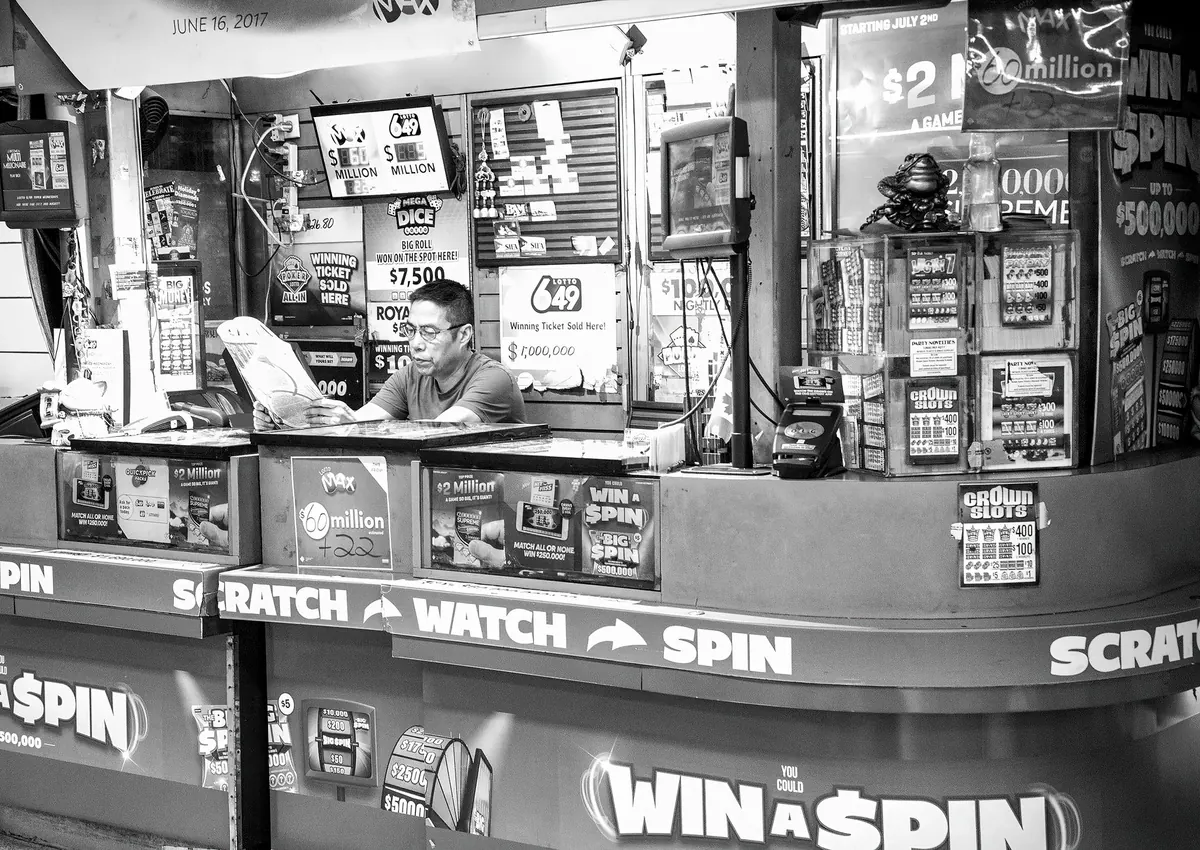
Two people walk into the same newsstand with a few coins in hand and leave with completely different evenings ahead of them. One has a card in a pocket that will be settled by a thumbnail in the next thirty seconds. The other has a printed slip with six numbers and a date to wait for. Both are lottery products. Both are sold over the same counter. But they feel nothing alike, they suit different temperaments, and they reward different habits. If you have never bought either, here is the practical difference — no sales patter, no miracle stories.
How a Scratch Card Actually Works
A scratch card is a pre-printed ticket with a fixed set of hidden panels covered in opaque latex. The result was already decided when the card was printed. Nothing you do at the counter changes it, and no amount of rubbing technique improves your chances. What you are buying is a sealed outcome with a known prize structure.
The part beginners skip is the win condition. Cards do not all work the same way: some ask you to match three identical symbols, others ask your numbers to appear among a set of winning numbers, and some include a small bonus game with its own rules. Read the "how to win" panel before you scratch anything. If it is not clear, ask the person behind the counter for the game's official rules — a legitimate retailer will have them or can point you to them.
Each card also carries a prize table, usually on the back, showing the top prize and the smaller tiers beneath it. Many cards are designed to produce frequent small returns, which keeps the experience lively. That design is worth understanding: a card that hands back small amounts often is not the same product as one chasing a single large prize, even when they sit in the same rack at the same price.
How a Number Draw Works
A number draw is a two-step purchase. First you choose a set of numbers, or let the terminal choose for you. Then you wait for the scheduled draw, after which the operator publishes the winning combination. Your ticket carries the numbers, the game, the draw date and a validation code. It is not a receipt for a hope; it is the only proof you hold a stake.
Picking numbers, or letting the machine do it
Most regulars have a system: family birthdays, a favourite sequence, numbers from a dream, or the same six they have played for years. Others hand it over to automatic selection. From a probability standpoint these are equivalent — every valid combination has the same chance of appearing, and no number is "due" because it has been absent for a while. Pick your own numbers if it makes the game more enjoyable; just do not pay extra for a system that claims to improve your odds. Nothing does.
The ticket is the proof
Scratch a card too hard or lose a draw ticket and you have lost your claim, whatever the result. Keep draw tickets flat and dry in one place — a specific pocket, a drawer, an envelope — and check the official results for the correct draw date rather than relying on what people say at the bar. Winners usually have a limited window to claim, so check promptly rather than letting a ticket sit for months.
The Pace Is the Real Difference
Everything else follows from timing. Scratch cards deliver a result in seconds, which makes them easy to repeat. Buy one, lose, buy another. That loop is exactly why they suit impulsive play — and exactly why they need a budget in advance. A number draw forces a gap between spending and finding out. You buy, you leave, you come back to it later. The pause is a feature.
Consider the same amount of money spent two ways: one card, or several entries into a draw. The card gives you one immediate moment. The draw entries give you a result to check on a specific evening and, often, the chance to share a larger pooled prize. Neither is the better deal in the abstract. They are different shapes of entertainment, and the right one depends on whether you want your answer now or later.
Prizes, Odds and the Fine Print
Both products are games of chance, and both are priced so that the operator keeps a share of everything staked. That is the whole business model, and it is not hidden. Official odds and prize structures are published by the lottery operator; treat any number you hear from a friend or read in a comment thread as unreliable until you have checked the source.
The practical distinction lies in how prizes are structured. Scratch card prizes are fixed when the card is printed, and there are a finite number of each tier. Draw prizes are often pooled and can roll over or be split among multiple winners, which means a headline figure may be shared. Read what the top prize actually is before you get attached to it.
At the Counter: Habits Worth Keeping
Most of what separates a bit of fun from a bad evening comes down to small routines. These are the ones worth building from your first visit.
- Decide the spend before you walk in. Choose an amount you would be comfortable losing entirely, and treat that as the cost of the entertainment.
- Buy from a licensed retailer and keep the ticket. Unlicensed sellers and second-hand tickets are a bad idea for obvious reasons.
- Check the draw date and game name on any printed slip before leaving the counter. Mistakes here are common and usually unfixable.
- Do not chase losses. The card that took your money a minute ago has no memory of it.
- Ask for the rules if a game is unfamiliar. Staff would rather explain a game than handle a dispute about a scratched-out panel.
- Keep it occasional. A weekly ritual is one thing; a daily habit fuelled by hope of a change in circumstances is another.
How to Choose on Your First Visit
If what you want is two minutes of suspense and an answer you can hold in your hand, a scratch card is the straightforward choice — pick one whose win condition you understand before you pay. If you prefer anticipation, a weekly check of the results, and the possibility of a shared jackpot, buy a number draw ticket and put it somewhere safe.
Either way, keep the stakes small enough that losing is unremarkable. Lottery products are entertainment, not a savings plan or an income strategy, and no ticket is a sensible answer to a financial problem. If play stops feeling like a bit of fun — if you are borrowing to buy, hiding tickets, or spending money you need — talk to a gambling support service or a professional you trust rather than trying to sort it out alone.
Photo: TheDigitalWay / Pixabay